Fort Collins HOA Painting Guide
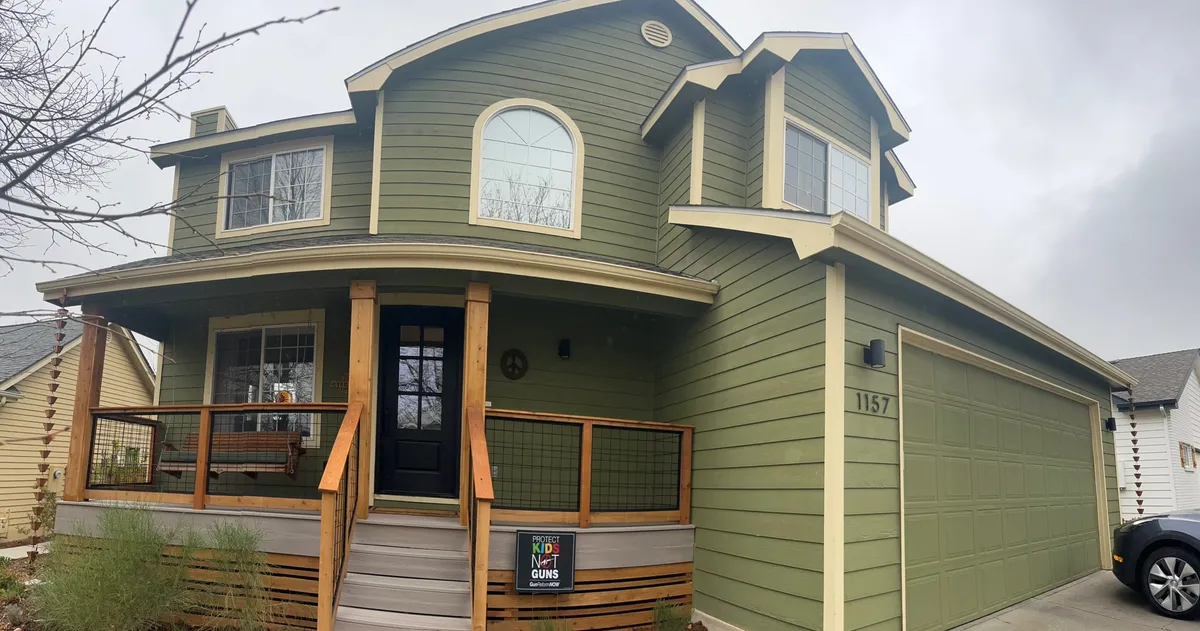
If you live in a neighborhood with a homeowners association in the Fort Collins area, painting your home’s exterior involves an extra step that homeowners in non-HOA neighborhoods do not have to think about: getting approval. The process can feel intimidating or frustrating, especially if you have never navigated it before. But with the right approach and a little planning, the HOA approval process does not have to be a headache.
With over 25 years of painting experience in Colorado and a focus on the Northern Front Range, we have been helping homeowners in Fort Collins, Timnath, and Windsor navigate HOA painting requirements. This guide covers how the process typically works, what to expect, and how to set yourself up for a smooth approval.
How HOA Painting Approval Works
While every HOA is different, the general approval process follows a similar pattern across most Fort Collins-area neighborhoods. Understanding the typical flow helps you plan your timeline and avoid surprises.
The Basic Process
Most HOA exterior painting approvals follow these steps:
-
Review your CC&Rs and design guidelines. Before selecting colors, read your community’s Covenants, Conditions, and Restrictions (CC&Rs) and any architectural or design guidelines. These documents spell out what is and is not allowed, including any pre-approved color palettes, restrictions on color types, and the submission process.
-
Select your colors. Choose your proposed colors for the body, trim, accent, and any other painted surfaces. Many HOAs require you to select from an approved palette or submit specific paint manufacturer color codes for review.
-
Submit your application. Most HOAs require a written application to an Architectural Review Committee (ARC) or Design Review Committee (DRC). The application typically asks for the proposed colors (with manufacturer names and codes), a description of the scope of work, and sometimes a photo of your home showing which surfaces will be painted.
-
Wait for review. The committee reviews your application, usually at a scheduled meeting. Review periods vary from one to six weeks depending on the HOA.
-
Receive approval or feedback. You will receive written approval, a request for modifications, or a denial with explanation. If modifications are requested, you adjust your proposal and resubmit.
-
Complete the work. Once approved, you proceed with the painting. Some HOAs require that work be completed within a certain timeframe after approval.
Typical Timeline
The approval process often takes longer than homeowners expect. A realistic timeline looks like this:
- 2 to 4 weeks to research guidelines and select colors
- 2 to 6 weeks for committee review (varies widely by HOA)
- 1 to 3 weeks for resubmission if changes are requested
- 1 to 4 weeks for scheduling with your painting contractor
From the moment you start thinking about painting to the day the project is complete, you should allow two to four months. Starting the process early gives you the best chance of getting on your preferred painting contractor’s schedule during the ideal exterior painting season.
Common HOA Color Restrictions in Fort Collins
HOA color guidelines in the Fort Collins area range from very specific to fairly broad. Here are the most common types of restrictions you are likely to encounter.
Pre-Approved Color Palettes
Many HOAs maintain a list of pre-approved color combinations. These palettes are typically curated to ensure neighborhood cohesion while still offering homeowners some choice. Pre-approved palettes might include 20 to 50 color combinations, each specifying a body color, trim color, and accent color.
The advantage of choosing from a pre-approved palette is that approval is usually faster and more straightforward. The committee has already determined that these colors meet the community standards.
Color Family Restrictions
Some HOAs do not maintain a specific palette but instead restrict colors to certain families or ranges. Common restrictions include:
- Earth tones only: Browns, tans, beiges, warm grays, and muted greens
- No bright or vivid colors: No primary colors, neon tones, or high-saturation hues on the body of the home
- Trim must be lighter or darker than body: A contrast requirement to maintain architectural definition
- Front door may be an accent color: Some HOAs allow more freedom on front doors while restricting body and trim colors
- No more than three colors total: Body, trim, and one accent
Repetition Restrictions
Some Fort Collins HOAs have rules about homes in close proximity having the same color scheme. You may not be able to choose a color combination that is identical to your immediate neighbor’s home. This is intended to create variety within the neighborhood while maintaining overall cohesion.
Material and Finish Requirements
Beyond color, some HOAs specify acceptable paint sheens, require specific paint quality levels, or mandate that certain substrates be painted or stained in particular ways. Flat or matte finishes for the body, satin for trim, and semi-gloss for doors is a common combination that many HOAs approve.
Tips for Working Within Approved Palettes
Having to work within an approved palette does not mean your home has to look generic. There are several strategies for creating a distinctive, beautiful result within HOA guidelines.
Maximize Your Palette
Even within a restricted palette, there is usually more flexibility than it first appears. Pay attention to how different approved colors interact with your home’s specific materials, landscaping, and architectural features. The same color combination can look very different on a ranch-style home versus a two-story colonial.
Use Sheen Strategically
Even when color choices are limited, varying the sheen can create visual interest. A flat body with satin trim creates subtle contrast beyond the color difference itself. Ask your HOA whether sheen choices require approval — many do not regulate sheen as strictly as color.
Focus on What You Can Control
If your exterior palette is constrained, put your creative energy into areas where you have more freedom. A beautiful front door color (if your HOA allows accent choices), well-maintained landscaping, updated house numbers, and attractive outdoor lighting can transform your home’s curb appeal without changing a single body or trim color.
Work with a Color Consultant
A professional color consultation can be especially valuable when you are working within HOA restrictions. An experienced consultant can help you find the combination within your approved palette that best complements your home’s architecture, fixed elements like stone or brick, and the surrounding landscape. They may see options you would not have considered on your own.
Request Exceptions Thoughtfully
If the approved palette does not include what you want, you can usually submit a request for a color outside the standard options. These requests are more likely to succeed when you:
- Provide a clear rationale: Explain why the proposed color is appropriate for the neighborhood and how it fits the community’s overall aesthetic.
- Show how it coordinates with neighbors: If your proposed color complements the surrounding homes, point that out.
- Include visual examples: Paint a sample board with your proposed colors, or provide photos of similar homes with the color scheme you want. Concrete visual evidence is far more persuasive than a paint chip.
- Start a conversation before a formal submission: Some ARC committees welcome informal discussions before you submit a formal application. This gives you a chance to gauge receptiveness and adjust your proposal before the formal review.
How to Submit a Strong Application
A well-prepared application increases your chances of approval and reduces the likelihood of delays. Here is what makes an application stand out.
Include Complete Information
- Manufacturer name and color code for every color (body, trim, accent, front door, garage door)
- The sheen for each surface
- A description of the scope of work, including which surfaces will be painted
- The timeline for the project
- Your painting contractor’s name and contact information (some HOAs require this)
Provide Visual Aids
- A current photo of your home
- Paint chips or color samples attached to the application
- If possible, a digital rendering or physical sample board showing the proposed colors on a representation of your home
- Photos of homes with similar color schemes for reference
Be Responsive
If the committee has questions or requests clarification, respond promptly. Delays in communication can push your application to the next review cycle, which might mean waiting another month.
What Happens If You Paint Without Approval
This is a question we hear occasionally, and the honest answer is: do not do it. Painting without HOA approval can lead to consequences that are far more costly and stressful than the approval process itself.
Common Consequences
- Fines: Most HOAs can levy fines for unapproved exterior modifications. These can be one-time or recurring daily or weekly fines until compliance is achieved.
- Required removal: The HOA may require you to repaint your home in an approved color at your own expense. This means paying for two full exterior paint jobs.
- Legal action: In extreme cases, HOAs can pursue legal action to enforce compliance. The legal fees alone can dwarf the cost of the paint job.
- Impact on home sale: Unresolved HOA violations can complicate or delay the sale of your home.
The Better Approach
The approval process exists for a reason — to maintain the appearance and property values of the entire community. Even if you disagree with specific restrictions, working within the process is always the better path. If you feel the rules are too restrictive, consider getting involved with the ARC or attending HOA meetings to advocate for changes that benefit the whole community.
Fort Collins HOA Landscape
The Fort Collins area has a wide variety of HOA-managed communities, each with its own character and approach to architectural standards.
Older Neighborhoods
Established neighborhoods closer to Old Town and the university tend to have more relaxed or less formal architectural guidelines. Some older neighborhoods have HOAs that are primarily focused on common area maintenance rather than strict exterior standards. In these communities, you may find broader color flexibility.
Newer Developments
Communities built in the last 15 to 20 years, particularly in southeast Fort Collins, Timnath, and Windsor, tend to have more structured and specific design guidelines. These communities were planned with a cohesive aesthetic in mind, and their CC&Rs reflect that vision. Expect more detailed color palettes and a more formal review process.
Master-Planned Communities
Large master-planned communities often have the most comprehensive design standards. These may include not just color restrictions but specifications for trim profiles, garage door styles, fencing, and landscaping. The approval process in these communities tends to be more thorough but also more predictable — there is usually a well-documented process and a dedicated management company handling reviews.
Communities Without HOAs
Some Fort Collins neighborhoods, particularly older ones and those in unincorporated Larimer County, do not have HOAs at all. If you are in one of these areas, you have much more freedom in your color choices, though it is still worth considering how your colors coordinate with the neighborhood context.
Working with Your Painting Contractor and Your HOA
An experienced local painting contractor can be a valuable ally in the HOA approval process. At Melissa’s Painting, we regularly help clients navigate approvals and can provide:
- Color expertise: We know which colors work well in Fort Collins neighborhoods and can suggest options that are likely to meet HOA approval while also looking beautiful on your home.
- Material specifications: We can provide the exact paint manufacturer, product line, color code, and sheen information that most HOA applications require.
- Sample preparation: We can prepare large-format color samples or paint sections of your home for committee review.
- Timeline coordination: We understand the approval timeline and can help you plan so that your approval and your painting schedule align with the best weather window.
Planning Your HOA-Approved Painting Project
Here is a step-by-step approach to planning an exterior painting project in an HOA community:
- Start early — at least three to four months before you want the work done. This gives you time for research, color selection, approval, and scheduling.
- Read your CC&Rs and design guidelines thoroughly. Know the rules before you invest time in color selection.
- Get a painting estimate. Knowing the scope and cost of the project helps you plan your budget and provides information your HOA may require. Contact a local exterior painting professional for a detailed quote.
- Select colors with your guidelines in mind. If your HOA has a pre-approved palette, start there. If not, choose colors that align with the community standards.
- Submit a complete, well-organized application. Include all required information and visual materials.
- Follow up if you have not heard back within the stated review period.
- Once approved, book your painter and confirm the timeline.
- Communicate with your HOA during the project if there are any changes or delays.
The process requires some patience, but the result is a home you love in a neighborhood that maintains its character and value. That is a good outcome for everyone.
If you are ready to start planning your exterior painting project and need help navigating the HOA process, we would be happy to help. Get in touch and we will walk through the process together.