When Is the Best Time to Paint Your House Exterior in Colorado?
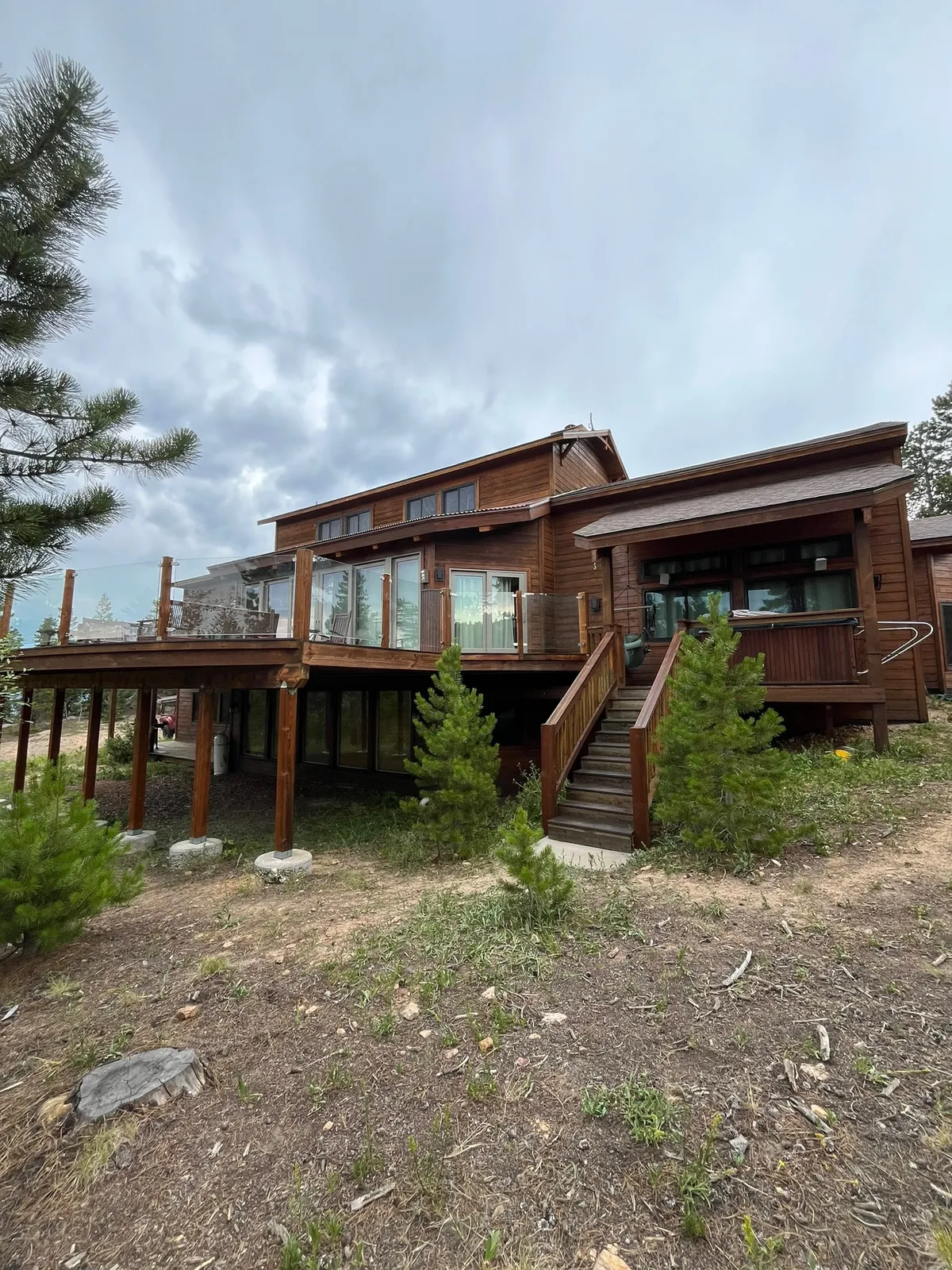
Timing matters more for exterior painting in Colorado than in almost any other part of the country. Our combination of intense sun, dramatic temperature swings, afternoon thunderstorms, and a relatively short warm season means that when you paint is nearly as important as how you paint. Get the timing right, and your new exterior finish will cure properly, bond well, and look great for years. Get it wrong, and you may be dealing with peeling, bubbling, or adhesion failure long before you should.
After painting homes across Colorado for over twenty-five years — from mountain towns to the Fort Collins area, Loveland, and Windsor — we have developed a detailed understanding of how Colorado weather interacts with exterior coatings. This guide shares everything we have learned about choosing the right time for your exterior painting project.
The Temperature Requirements for Exterior Paint
Before getting into specific months, it helps to understand the basic science behind why temperature matters so much for exterior painting.
Minimum and Maximum Application Temperatures
Most quality exterior latex paints require a minimum application temperature of 50 degrees Fahrenheit, though some newer formulations can be applied down to 35 degrees. The surface temperature — not just the air temperature — needs to be within range, and it needs to stay there long enough for the paint to begin forming a proper film.
Maximum temperature matters too. When surface temperatures exceed 90 degrees, paint dries too quickly. The outer layer skins over before the interior of the film has properly coalesced, trapping solvents and moisture. This leads to blistering, poor adhesion, and a finish that breaks down faster than it should.
The Critical Overnight Temperature
Here is a factor many homeowners overlook: overnight temperatures matter just as much as daytime highs. Paint needs approximately four to six hours of temperatures above the minimum threshold after application to begin curing properly. If you paint at 3 PM and the temperature drops below 50 degrees by 8 PM, the paint film may not have had enough time to coalesce. The result is a weak film that chalks, cracks, or peels prematurely.
In Fort Collins, this overnight requirement is the single biggest factor limiting the exterior painting season. Even in months when daytime temperatures are comfortable, overnight lows in the 30s and 40s can prevent proper curing.
Surface Temperature Versus Air Temperature
Surfaces in direct Colorado sun can be 20 to 30 degrees warmer than the surrounding air. A south-facing wall in July with an air temperature of 80 degrees might have a surface temperature of 110 degrees — far too hot for paint application. Conversely, a north-facing wall in the shade might be 10 degrees cooler than the air temperature, making it suitable for painting even when the south side is too warm.
Professional painters in Colorado work around the house throughout the day, following the shade and avoiding surfaces in direct sun during the hottest hours. This approach requires planning and flexibility but produces significantly better results.
The Colorado Exterior Painting Season
Late April Through Early October
The general exterior painting season in Northern Colorado runs from late April through early October. Within that window, some months are significantly better than others.
Late April and May: The season typically opens in late April as overnight temperatures begin consistently staying above 45 to 50 degrees. May is a good month for exterior painting in Fort Collins, with pleasant daytime temperatures and increasingly long days. The main challenge is spring wind — May can be quite blustery, and high winds carry dust and debris onto wet paint. Wind also speeds drying time in ways that can cause lap marks and uneven coverage. Experienced painters watch wind forecasts closely and adjust their schedule accordingly.
June: This is often the ideal month for exterior painting along the Front Range. Temperatures are warm but not yet extreme, days are long, and overnight lows are reliably above 50 degrees. The monsoon season has not yet arrived, so there are fewer interruptions from afternoon thunderstorms. If you have flexibility in your schedule, June is a great target.
July and August: These are the hottest months, with daytime highs frequently reaching the upper 80s and 90s. Surface temperatures on south and west-facing walls can become problematic during midday hours. However, the long days and warm overnight temperatures mean that paint applied in the morning or late afternoon cures beautifully. July and August also bring Colorado’s monsoon season, which typically means a pattern of afternoon and evening thunderstorms. These storms are usually brief but can interrupt work and, if the paint is still wet, can damage a fresh application. Professional painters monitor weather closely and plan their days to work around storm patterns.
September: Many professional painters consider September the best month for exterior work in Colorado. The extreme heat of midsummer has passed, overnight temperatures are still warm enough for proper curing, the monsoon pattern is winding down, and the air tends to be calmer and clearer. The days are getting shorter, which means fewer working hours, but the conditions during those hours are often ideal.
Early October: The season closes as overnight temperatures begin dropping into the 30s and low 40s. Early October can still offer good painting weather, especially during warm spells, but the window is narrowing. Projects that extend into mid or late October are taking a risk on weather.
The Months to Avoid
November through March: Exterior painting in Northern Colorado is generally not advisable during the winter months. Even during warm spells, the overnight temperatures are too cold for proper paint curing, days are short, and the risk of snow or freezing rain on fresh paint is too high. There are occasional exceptions — a stretch of 60-degree days in January is not unheard of in Fort Collins — but these warm spells are unpredictable and often followed by arctic cold snaps.
Elevation Factors in Northern Colorado
The Fort Collins area spans a range of elevations from roughly 4,900 feet in town to over 5,500 feet in the foothills west of the city. Nearby communities like Loveland and Windsor sit at similar elevations, while homes in the foothills and mountain areas can be significantly higher.
How Elevation Affects the Painting Window
For every 1,000 feet of elevation gain, you can expect temperatures to drop roughly 3 to 5 degrees. A home at 7,000 feet in the foothills above Fort Collins will have a meaningfully shorter painting season than one at 5,000 feet in town. The season might open two to three weeks later in the spring and close two to three weeks earlier in the fall.
UV Intensity at Altitude
At 5,000 feet, UV radiation is approximately 25 percent more intense than at sea level. This does not change when you should paint, but it does affect how paint dries and cures. UV exposure during the curing period can actually help some modern paint formulations develop their full hardness and durability. However, it also means that proper film formation during the initial cure is critical — if the paint does not form a good film initially, the intense UV will break it down faster.
Thin Air and Drying Times
Lower air pressure at altitude means paint solvents evaporate faster. This is advantageous in that paint dries more quickly, reducing the risk of bugs, dust, or debris settling into the wet surface. But it also means the open time — the window during which you can brush or roll over the paint without leaving marks — is shorter. Skilled painters working in Colorado adjust their pace and section size to account for this faster drying.
Morning Versus Afternoon Painting
The time of day you paint has a real impact on quality, and in Colorado the difference between morning and afternoon conditions is dramatic.
Why Morning Is Usually Better
Morning painting in Colorado benefits from several factors. Temperatures are cooler, surfaces have not yet heated up from direct sun, humidity is slightly higher (which slows drying and extends working time), and wind speeds tend to be lower. For most surfaces, painting between 7 AM and noon during summer months produces the best results.
Afternoon Challenges
By early afternoon in summer, several conditions work against you. Temperatures peak, surface temperatures on sun-exposed walls can exceed safe application ranges, wind often picks up, and afternoon thunderstorms become a possibility during monsoon season. Professional painters in Fort Collins often shift to north-facing walls or shaded areas in the afternoon, or use the time for prep work on surfaces that will be painted the following morning.
Working Around the House
A well-planned exterior painting project in Colorado follows the sun around the house. East-facing walls are painted in the afternoon after they have moved into shade. West-facing walls are painted in the morning before the sun reaches them. South-facing walls, which receive the most sun, are painted in the early morning or late afternoon. North-facing walls can often be painted at any time since they receive minimal direct sun.
This approach requires more planning and sometimes more moving of equipment, but the difference in finish quality is worth it. It is one of the advantages of working with painters who know the local conditions well.
Signs Your House Needs Painting
Knowing the best time to paint is useful, but how do you know when your house actually needs painting? Here are the most common signs:
Visible Paint Failure
The most obvious sign is paint that is peeling, cracking, flaking, or blistering. In Colorado’s harsh exterior environment, paint failure tends to happen first on south and west-facing surfaces that take the most UV and weather exposure. If you see bare wood or substrate showing through, the protective function of the paint has been compromised and moisture can begin causing damage.
Chalking
Run your hand across the painted surface. If it comes away with a powdery residue, the paint is chalking. Some chalking is normal as paint ages, but heavy chalking indicates that the binders in the paint have broken down and the surface needs repainting. Chalking is accelerated by Colorado’s intense UV exposure.
Fading
Color fading is both a cosmetic and a functional concern. As pigments break down from UV exposure, the paint film becomes thinner and less protective. If your home’s color has noticeably faded, it is a good indication that a repaint is due.
Caulk Failure
Check the caulking around windows, doors, and trim joints. If the caulk is cracking, pulling away, or missing, moisture can penetrate behind the paint film. Recaulking is a standard part of exterior paint prep, but if you notice significant caulk failure, it may be time for a full repaint.
Wood Damage
Look for wood that is soft, spongy, or showing signs of rot. This indicates that moisture has been getting past the paint barrier. Damaged wood needs to be repaired or replaced before repainting, and the sooner you address it, the less extensive the repair will be.
How to Plan Ahead for Your Exterior Painting Project
The best exterior painting projects are planned well in advance. Here is a practical timeline for Fort Collins homeowners.
Winter: Research and Get Estimates
January through March is the ideal time to research painting contractors, get recommendations, and request estimates. Painters are typically less busy during these months and have more availability for estimate visits. You will also have time to compare quotes carefully and make a thoughtful decision without feeling rushed.
Early Spring: Book and Prepare
By March or April, book your preferred contractor and confirm a target start date. If your home needs carpentry repairs, this is a good time to address those so they are complete before painting begins.
The Painting Window: Execute
Depending on your contractor’s schedule and the weather, your project will likely fall between May and September. Communicate with your contractor about weather contingencies — a good painting company will have a plan for delays and will keep you informed.
Fall: Inspect and Maintain
After your project is complete, do a fall walkthrough before winter sets in. Check that all caulking is intact, all surfaces are properly sealed, and there are no spots that were missed or need touch-up. Addressing small issues before winter prevents them from becoming larger problems.
Working With Colorado Weather
No matter how carefully you plan, Colorado weather will always have the final say. The best approach is to work with a painting company that understands local conditions, monitors weather closely, and has the flexibility to adjust schedules when needed. A few extra days for weather delays is always preferable to rushing a job in marginal conditions.
The most important thing is that the work is done right. A properly applied exterior paint job in Fort Collins can last 7 to 12 years, protecting your home and looking beautiful through dozens of freeze-thaw cycles, summer storms, and those 300 days of Colorado sunshine.
If you are thinking about painting your home’s exterior this season, the best time to start planning is now. Get in touch and we will help you map out a timeline that works for your home and your schedule.