Best Paint Colors for Colorado Homes
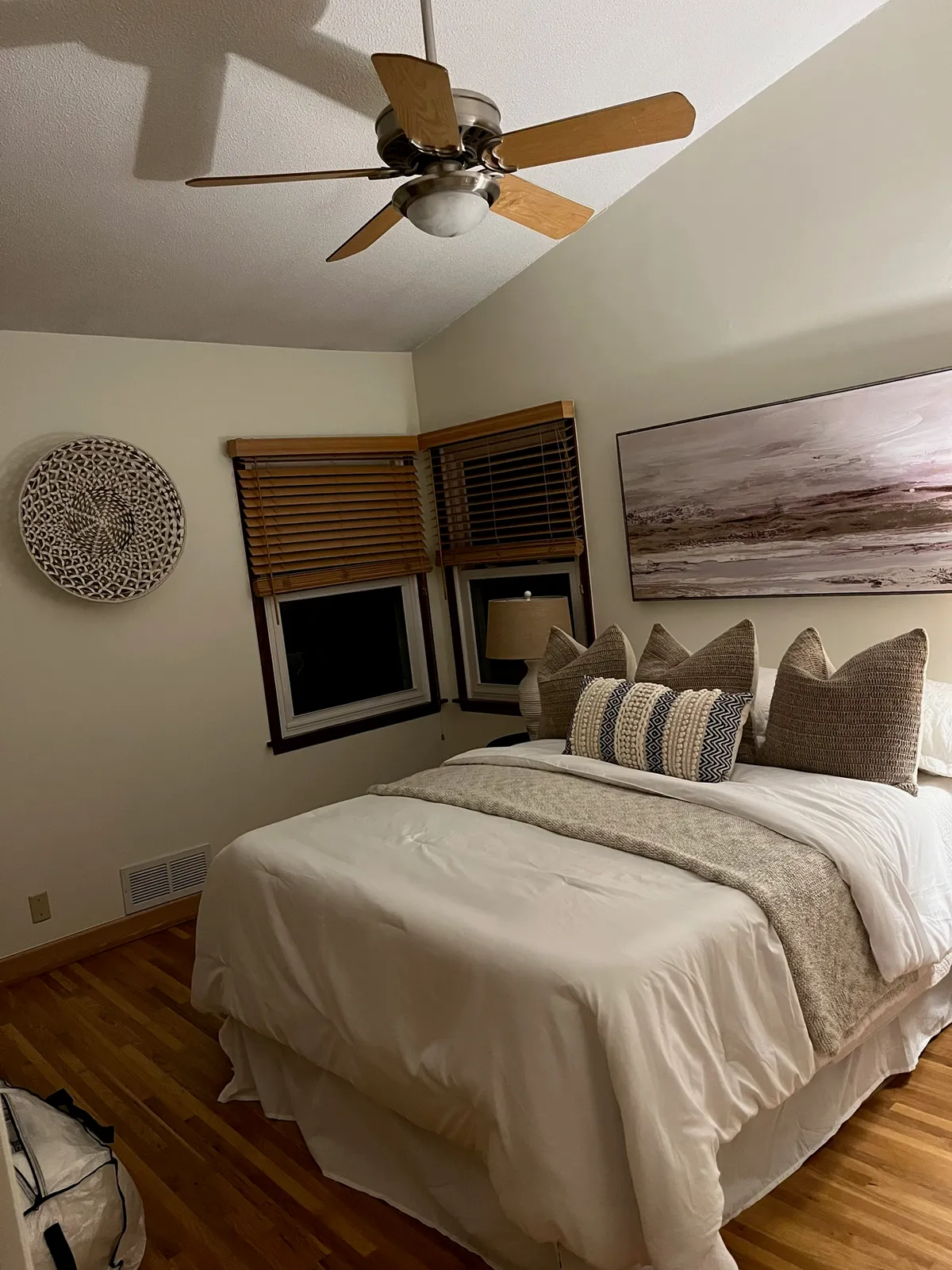
Choosing paint colors is one of the most personal and sometimes stressful parts of any painting project. What looked perfect on a tiny swatch at the store can feel completely different on your wall at home. And if you live in Colorado, there is an additional layer of complexity: the unique quality of light at altitude changes how colors appear in ways that can surprise homeowners who have moved here from other parts of the country.
After more than twenty-five years of painting homes across Colorado — from mountain communities to the Northern Front Range — we have seen firsthand how the state’s light, landscape, and climate interact with color choices. This guide shares what we have learned to help you choose colors that you will love for years to come.
How Colorado Light Affects Color
Before diving into specific colors, it helps to understand why color behaves differently here than in other parts of the country. This is not just theory — it has real, practical implications for the colors you choose.
The Altitude Factor
Fort Collins sits at roughly 5,000 feet above sea level, and many surrounding communities are higher. At altitude, there is less atmosphere between the sun and your home. That means more intense, more direct light — especially UV light. This intensity affects color perception in a few key ways:
- Colors appear more vivid outdoors. A color that looks muted on a chip can read surprisingly bold on the side of your house under the Colorado sun.
- Shadows are deeper and more defined. The contrast between sunlit surfaces and shaded areas is more dramatic here, which means a single color can look like two different shades on the same wall depending on the time of day.
- Cool colors lean cooler, warm colors lean warmer. The intensity of the light amplifies the undertones in paint colors. A gray with a blue undertone may read quite blue in direct Colorado sunlight. A beige with a yellow undertone may look notably golden.
Dry Air and Color Clarity
Colorado’s low humidity means the air is clearer and light is less diffused than in humid climates. In places like the Pacific Northwest or the Southeast, moisture in the air softens and scatters light, giving everything a slightly hazy quality. Here, light is crisp and direct. Colors read as cleaner and more saturated, which is beautiful but means there is less room for error — a slightly off color choice will be more noticeable.
The 300 Days of Sunshine
Fort Collins averages around 300 days of sunshine per year. That is a lot of direct light hitting your walls. For interiors, it means south-facing rooms can be flooded with warm, bright light for most of the day, while north-facing rooms receive consistent but cooler indirect light. These are not subtle differences, and they should influence your color selections room by room.
Interior Paint Colors for Colorado Homes
Colors for South-Facing Rooms
South-facing rooms in Fort Collins homes receive abundant warm light throughout the day. This is a blessing for livability but can be a challenge for color selection because the warm light will push colors warmer than they appear on a swatch.
Colors that work well in south-facing rooms:
- Cool whites and off-whites: These balance the warm light beautifully. Look for whites with a slight gray, green, or blue undertone. They will feel clean and fresh without going cold.
- Soft greens: Sage, eucalyptus, and muted olive tones feel grounded and natural in bright, warm light. They complement the views of the foothills that many Fort Collins homes enjoy.
- Cool grays: A medium gray with a blue or green undertone will feel balanced and sophisticated in a sun-drenched south-facing room.
Colors to approach with caution:
- Warm yellows and oranges: These can become overpowering with the additional warmth from direct sunlight. If you love warm tones, go several shades lighter than you think you want.
- Pure white: In the intense Colorado sun, pure white walls can feel glaring and clinical. An off-white with the slightest hint of color is usually more comfortable to live with.
Colors for North-Facing Rooms
North-facing rooms receive indirect light that tends to be cooler and more consistent. These rooms can feel chilly or dim if the color choices do not account for the quality of the light.
Colors that work well in north-facing rooms:
- Warm whites: Whites with cream, blush, or warm gray undertones counteract the coolness of north-facing light and make the room feel inviting.
- Warm neutrals: Tans, warm taupes, and soft terracotta tones bring warmth into these spaces without overwhelming them.
- Rich, warm accent colors: North-facing rooms are great candidates for deeper, warmer colors because the light will temper their intensity. A dusty rose, warm clay, or soft amber that might feel too bold in a bright south-facing room can be perfect here.
Colors to approach with caution:
- Cool grays and blues: These can make north-facing rooms feel cold and unwelcoming. If you are set on gray, choose one with a warm undertone — a greige rather than a true gray.
Colors for East and West-Facing Rooms
East-facing rooms get warm morning light and shift to cooler indirect light in the afternoon. West-facing rooms do the opposite. In Colorado, west-facing rooms also deal with intense afternoon sun that can be quite warm and bright, especially in summer.
For east-facing rooms, slightly cool or neutral colors work well because the morning light provides plenty of warmth. For west-facing rooms, consider how the room will feel in the late afternoon — warm colors can become overwhelming, while cooler tones will balance the light.
Trending Interior Colors in Colorado for 2026
Color trends come and go, but some of the colors we are seeing in Fort Collins homes this year reflect a broader movement toward earthy, grounded palettes:
- Warm whites with character: Not builder-grade white, but whites with enough depth and undertone to feel intentional. Think warm linen, soft clay white, or creamy alabaster.
- Greens across the spectrum: From soft sage in bedrooms to deeper olive in dining rooms, green continues to be the most popular color family we are asked about. It connects to the natural landscape and works beautifully in Colorado’s light.
- Warm earth tones: Terracotta, clay, sienna, and ochre tones are appearing as accent walls and in smaller rooms like powder baths and home offices.
- Moody, sophisticated darks: Deep greens, rich navy, and warm charcoal are being used in spaces where homeowners want drama — home libraries, accent walls, and dining rooms.
- Mushroom and stone tones: These warm, complex neutrals split the difference between gray and beige and are versatile enough to work in most rooms.
Exterior Paint Colors for Colorado Homes
Choosing exterior colors involves all the same light considerations plus some additional factors: HOA guidelines, neighborhood context, and the fact that exterior paint has to withstand Colorado’s demanding climate.
Colors That Hold Up to Colorado Sun
UV degradation affects some colors more than others. Understanding which pigments are more stable can help you choose colors that will look good for years:
- Earth tones and warm neutrals: These are among the most UV-stable exterior colors. Tans, browns, warm grays, and muted greens contain pigments that resist fading well.
- Deep, saturated colors: Dark blues, greens, and reds can look stunning on a Colorado home, but they fade faster because the pigments absorb more UV radiation. If you choose a dark color, invest in the highest-quality paint available — the UV-resistant formulations make a significant difference.
- Pure white and very light colors: These hold up well in terms of fading but show dirt and chalking more readily. In Fort Collins, dust from construction and agricultural activity can be a factor, so a slight warm tint to your white can help it stay looking clean between washes.
- Bright, vivid colors: Fire engine red, bright yellow, and electric blue fade the fastest. These pigments are simply less stable under intense UV exposure. They can be used as accents on front doors or shutters where they are easy to touch up, but they are not ideal for large body surfaces.
Exterior Color Combinations That Work in Fort Collins
The most successful exterior color schemes we see in the Fort Collins area tend to follow a few patterns:
Classic Colorado: A warm-toned body color (sage, tan, warm gray, or soft brown) paired with cream or white trim and a deeper accent for the front door. This approach complements the natural landscape and fits well in most neighborhoods.
Modern Mountain: A darker, more saturated body color (charcoal, deep green, or navy) with contrasting light trim. This look has become more popular in newer developments and feels contemporary without being trendy.
Natural Stone Inspired: Taking cues from the local sandstone and rock formations — warm beige, sandstone, and clay tones that blend with the Front Range landscape. This approach is particularly effective for homes that have stone or brick elements to coordinate with.
Light and Bright: A white or very light body with colorful shutters, doors, or trim. This classic approach keeps the home looking fresh and allows you to update accent colors relatively inexpensively when you want a change.
Coordinating with Fixed Elements
Before choosing exterior paint colors, take inventory of the elements you are not painting: roof color, brick or stone, concrete or flagstone paths, and landscaping. These fixed elements should guide your palette. Bring paint swatches outside and hold them against your roof, stone, and other permanent features in direct sunlight at different times of day.
How Fort Collins Light Is Unique
Fort Collins has a quality of light that even differs from Denver or Colorado Springs. Situated where the Great Plains meet the foothills, the city gets both the expansive open sky of the eastern plains and the reflected light off the mountains to the west. In the morning, light comes across the plains with a warm, golden quality. In the afternoon and evening, the foothills and Horsetooth Rock create a backdrop that shifts the ambient light toward warmer tones as the sun sets behind them.
This means that the same color can behave differently in Fort Collins than it would in a home just an hour south in Denver, where the urban surroundings and slightly different orientation to the mountains change the light character. It is one more reason that testing colors in your actual space, on your actual walls, matters more than any swatch or screen can tell you.
The Role of Color Consultation
Given all the variables — light quality, room orientation, fixed elements, personal preference, and neighborhood context — choosing paint colors can feel overwhelming. This is where a professional color consultation can save you time, money, and the frustration of living with a color you do not love.
A color consultant brings large-format samples to your home, evaluates the light in each room, considers your furnishings and fixed finishes, and helps you narrow down to a cohesive palette. It is an investment that pays for itself by avoiding costly repaints when a color does not work out.
Testing Colors Before You Commit
Whether you work with a consultant or choose colors on your own, always test before committing. Here is the approach we recommend:
- Get sample pots or peel-and-stick swatches in your top two or three choices.
- Apply samples in the actual room on at least two walls — one that receives direct light and one that does not.
- Live with the samples for at least two to three days. Look at them in the morning, afternoon, and evening. Look at them on sunny days and cloudy days.
- For exteriors, paint a test area on the actual siding in a spot where you can see it from the street. Observe it for several days at different times.
A color that looks great at noon might feel completely different at 5 PM when the Colorado sun is low and warm. Give yourself time to see the full range.
Common Color Mistakes in Colorado Homes
Over the years, we have helped homeowners correct some recurring color mistakes. Learning from these can save you time and money:
Going Too Bold Too Fast
Colorado’s intense light amplifies color. What looks like a pleasant medium blue on a swatch can feel like you are living inside a swimming pool when it covers four walls. When in doubt, go one or two shades lighter or more muted than what appeals to you on the swatch.
Ignoring Undertones
Every neutral has an undertone — yellow, pink, green, blue, or purple. In Colorado’s clear, bright light, undertones are more visible than they would be in a cloudier climate. Test neutrals carefully and pay attention to what you see in different light conditions.
Matching to a Screen
Phone and computer screens do not accurately represent paint colors, and they certainly do not account for Colorado’s unique light. Use digital tools for initial inspiration, but always move to physical samples before making a decision.
Choosing Exterior Colors Indoors
The difference between indoor and outdoor light is dramatic, especially in Colorado. Never choose an exterior color under store lighting or even in your living room. It must be evaluated outdoors, on the actual surface, in direct sunlight.
Putting It All Together
Choosing paint colors for your Colorado home is part science and part personal expression. The technical factors — light intensity, room orientation, UV stability — provide the framework. Your personal taste and how you want to feel in your home provide the soul.
Here is a simple process to follow:
- Assess your light. Walk through your home at different times of day and notice how each room feels. Which rooms are bright and warm? Which are cool and dim?
- Identify your fixed elements. What are you not changing? Flooring, countertops, furniture, and exterior stone or brick should inform your palette.
- Gather inspiration. Look at homes in your Fort Collins neighborhood, browse design sites, and save images of spaces that appeal to you. Look for patterns in what you are drawn to.
- Test, test, test. Samples in your actual space under your actual light are the only reliable way to preview a color.
- Consider a professional eye. A color consultation can shortcut the process and help you avoid expensive mistakes.
The right colors will make your home feel more like yours, work with Colorado’s extraordinary light, and hold up beautifully for years. That is worth taking the time to get right.
If you would like help choosing colors or are ready to move forward with your painting project, we would love to hear from you. Reach out anytime — with over 25 years of painting experience in Colorado, we would love to help you make great color choices for your Fort Collins home.